



- 10 Jul 2026
- Comments (0)
Monsoon Trekking Guide: 10 Common Mistakes Every Trekker Should Avoid
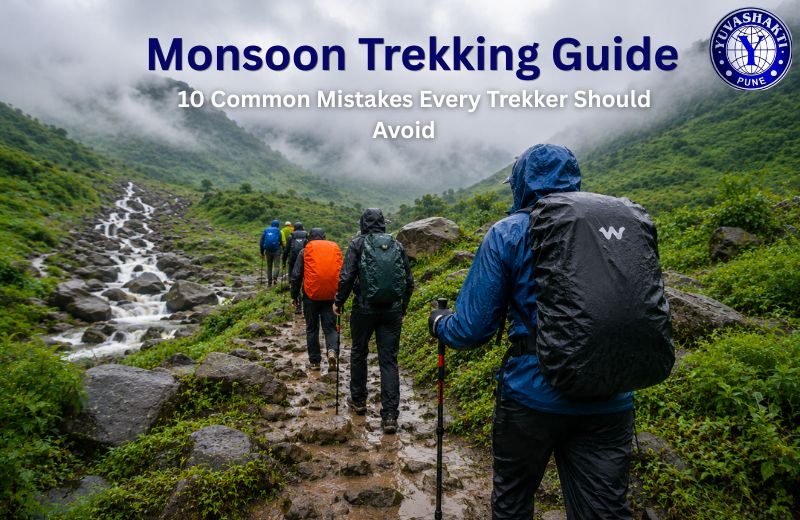
Monsoon is one of the most beautiful seasons for trekking. The mountains come alive with lush greenery, flowing waterfalls, mist-covered valleys, and refreshing weather that attracts adventure lovers from across the country. While trekking during the rainy season offers unforgettable experiences, it also requires extra preparation and awareness. Wet trails, slippery rocks, sudden weather changes, and reduced visibility make monsoon treks more challenging than treks in other seasons.
Many trekkers, especially beginners, underestimate these challenges and make small mistakes that can lead to discomfort or even dangerous situations. Knowing what to avoid is just as important as knowing what to pack. This guide explains the most common mistakes trekkers make during monsoon adventures and how you can prepare for a safe, comfortable, and memorable trekking experience.
Wearing Cotton Clothes During Monsoon Trek
Cotton absorbs water quickly and dries very slowly. Once wet, it becomes heavy, uncomfortable, and increases the chances of body cooling.
Instead, choose:
- Quick-dry trekking t-shirts
- Moisture-wicking base layers
- Synthetic or polyester clothing
- Lightweight trekking jackets
These fabrics dry faster and help regulate body temperature throughout the trek.
Wearing Jeans While Trekking
Jeans may seem durable, but they are completely unsuitable for trekking during the rainy season. Once soaked, denim becomes extremely heavy and restricts your movement. Wet jeans also increase friction against the skin, which can lead to painful rashes and discomfort during long walks.
Quick-dry trekking pants are specifically designed for outdoor adventures. They provide better flexibility, dry much faster, and allow you to move comfortably across uneven terrain.
Skipping Proper Trekking Footwear
Your footwear plays one of the most important roles in determining your trekking experience. Many first-time trekkers wear sports shoes or casual sneakers, assuming they will be sufficient. However, slippery trails require footwear with superior grip and ankle support.
Good trekking shoes reduce the chances of slipping on muddy paths and wet rocks while providing better stability on uneven terrain. Comfortable trekking shoes also reduce fatigue during long hikes and protect your feet from injuries.
Not Keeping a Buffer Day in Your Itinerary
Heavy rainfall may lead to:
- Roadblocks
- Landslides
- Delayed transportation
- Route diversions
Always keep one extra day in your itinerary.
A buffer day helps you avoid unnecessary stress if weather conditions delay your travel.
Forgetting to Carry a Backpack Rain Cover
Many trekkers focus only on carrying a rain jacket and overlook protecting their backpacks. Once your backpack gets soaked, your spare clothes, food, sleeping gear, and important belongings may also become wet.
A waterproof backpack cover provides an extra layer of protection during continuous rainfall. Packing essential items inside waterproof pouches or dry bags further ensures that your belongings remain safe even during heavy showers.
Ignoring the Importance of Trekking Poles
A trekking pole provides much-needed stability on slippery trails.
Benefits include:
- Better balance
- Reduced knee pressure
- Improved confidence while descending
- Less fatigue
During monsoon, muddy trails become slippery, making trekking poles extremely helpful.
Ignoring Weather Updates
Mountain weather is unpredictable, and conditions can change within minutes. Starting a trek without checking weather forecasts can expose you to heavy rainfall, thunderstorms, or dangerous trail conditions.
Before beginning your trek, always monitor the latest weather forecast and pay attention to updates from local authorities or experienced trek leaders. Staying informed allows you to make better decisions and avoid unnecessary risks.
Leaning on Trees During Monsoon Treks
Many trekkers naturally lean against trees while taking short breaks. During the monsoon season, this can be risky because tree trunks become slippery and often shelter insects, leeches, or ants. Moist branches may also become weak and fall unexpectedly.
Whenever you need to rest, choose safe open spaces or designated resting points instead of leaning against trees.
Not Staying Hydrated
The cool weather during monsoon often reduces the feeling of thirst, causing many trekkers to drink less water than their bodies actually need. However, continuous walking still causes fluid loss through sweat and physical exertion.
Dehydration can lead to headaches, muscle cramps, dizziness, and early fatigue. Drinking water regularly throughout the trek helps maintain your energy levels and supports better physical performance. Carrying electrolyte supplements can also help replace essential minerals lost during long hikes.
Failing to Protect Electronics
Smartphones, cameras, power banks, GPS devices, and other electronic equipment are highly vulnerable during monsoon treks. Even light rain or accidental exposure to water can permanently damage these devices.
Keeping electronics inside waterproof covers or sealed pouches protects them from moisture. It is also advisable to carry a fully charged power bank so that your communication devices remain functional throughout the trek.
Conclusion
Monsoon trekking offers some of the most spectacular landscapes you will ever witness. Dense forests, mist-covered mountains, blooming flowers, and cascading waterfalls create unforgettable memories for every nature lover. However, these beautiful conditions also demand careful preparation and responsible decision-making.
Most trekking problems during the rainy season are caused by avoidable mistakes rather than difficult trails. Choosing the right clothing, wearing proper trekking shoes, monitoring weather conditions, staying hydrated, protecting your gear, and planning your itinerary wisely can significantly improve your safety and comfort. Whether you are exploring the Sahyadris or the Himalayas, proper preparation allows you to enjoy every moment of your adventure with confidence.
If you are planning your next monsoon trek, travel with experienced trek organizers like Yuvashakti, who prioritize safety, expert guidance, and well-organized trekking experiences.
Ready to Experience a Safe Monsoon Trek?
Join Yuvashakti for professionally guided monsoon treks across the Sahyadris and Himalayas. Our experienced trek leaders, well-planned itineraries, and safety-first approach ensure you can enjoy nature with confidence.
Book your next monsoon adventure with Yuvashakti today and trek the trails the right way!
Frequently Asked Questions (FAQs)
1. What is the biggest mistake people make during monsoon trekking?
The most common mistake is wearing cotton clothes and inappropriate footwear, which increases discomfort and the risk of slipping on wet trails.
2. Are monsoon treks suitable for beginners?
Yes. Beginners can safely enjoy monsoon treks if they choose beginner-friendly routes, carry proper trekking gear, and trek with experienced organizers.
3. Why is weather monitoring important before a monsoon trek?
Mountain weather changes rapidly. Checking weather updates helps avoid trekking during heavy rainfall, storms, or unsafe trail conditions.
4. How should I protect my backpack and electronics during a monsoon trek?
Using waterproof backpack covers, dry bags, and waterproof pouches keeps your clothes, gadgets, and important belongings safe from rain.
5. Why should I choose Yuvashakti for monsoon trekking?
Yuvashakti offers professionally guided treks, experienced trek leaders, well-planned itineraries, and a strong focus on safety, making every monsoon adventure enjoyable and memorable.



(0) Comments